Overview
Artificial Intelligence and automation represent the most significant opportunity for MOEI to differentiate its digital services. Our analysis reveals that while competitors like TAMM, MOI, and ICP have made impressive strides in AI implementation, they still face significant gaps in cutting-edge technologies. None have fully embraced advanced language model capabilities, or advanced computer vision systems. MOEI has a realistic opportunity to leapfrog current implementations by building an AI-first architecture that leverages the latest breakthroughs in artificial intelligence.
Natural Language Processing
Not ImplementedAdvanced NLP capabilities enable citizens to interact with government services using natural language, dramatically improving accessibility and user experience. While competitors have implemented basic chatbots and voice services, they have yet to deploy state-of-the-art language models that could revolutionize citizen interactions.
| Feature | MOEI | TAMM | MOI | ICP |
|---|---|---|---|---|
| Conversational AI Assistant | Login Required | Unknown | ||
| Advanced AI Model Integration | ||||
| Voice-to-Text Services | Unknown | |||
| Multi-language Support | ||||
| Sentiment Analysis | Unknown | |||
| Intent Recognition | Unknown | |||
| Context-Aware Conversations | ||||
| Emotion Detection |
Recommended Implementation
Deploy a comprehensive NLP platform powered by the latest large language models (LLMs) that competitors haven't adopted yet. While TAMM and MOI use traditional chatbots with limited capabilities, MOEI can implement advanced AI that understands context, handles complex queries, and provides human-like interactions.
- Implement advanced conversational AI with Arabic language optimization
- Deploy voice recognition with dialect-specific training
- Create intent classification system for 200+ government services
- Build real-time translation for 10+ languages
- Implement sentiment analysis for service feedback
Competitor Implementations
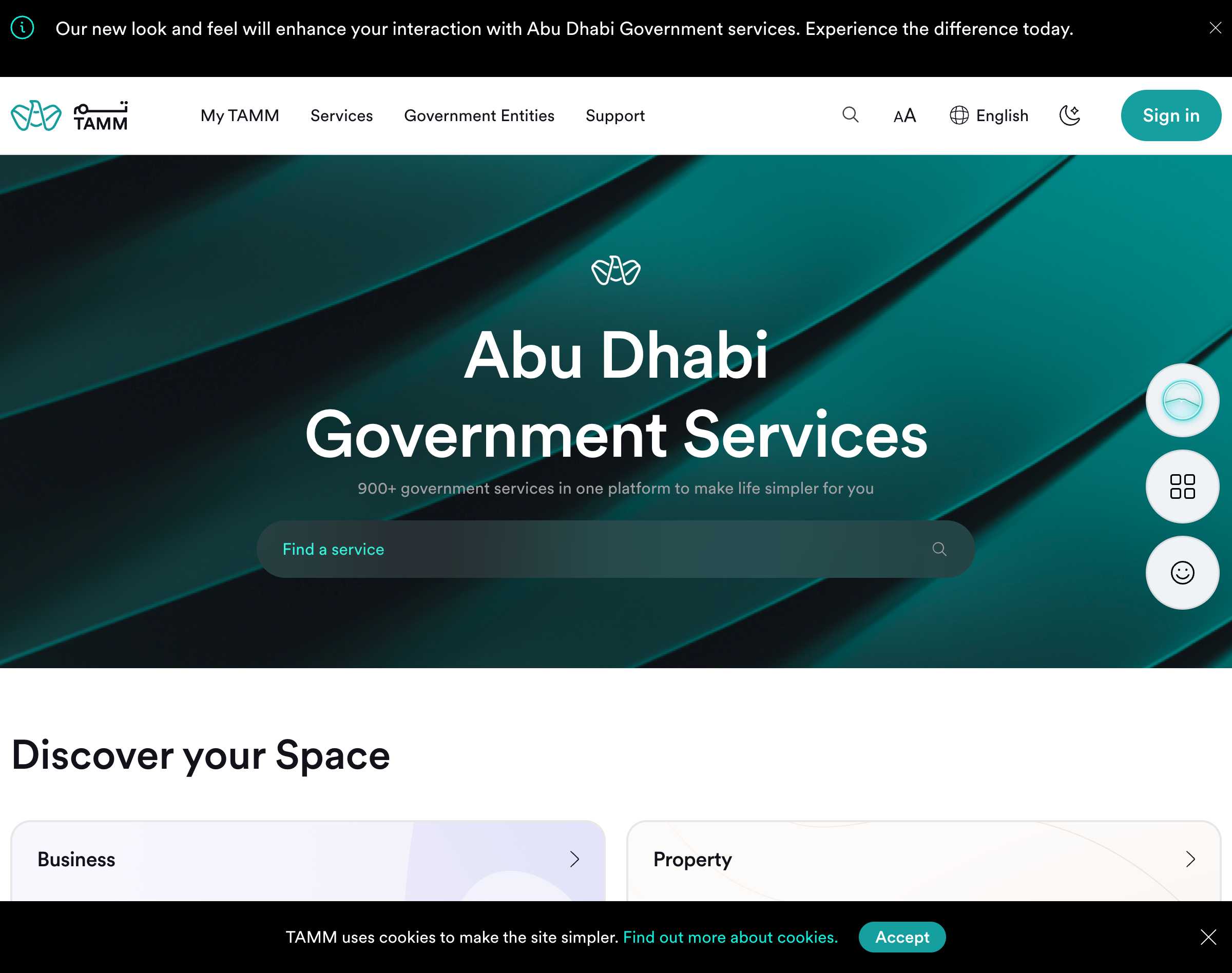
TAMM's AI Implementation
While TAMM has basic chatbot functionality, it lacks advanced NLP capabilities and contextual understanding
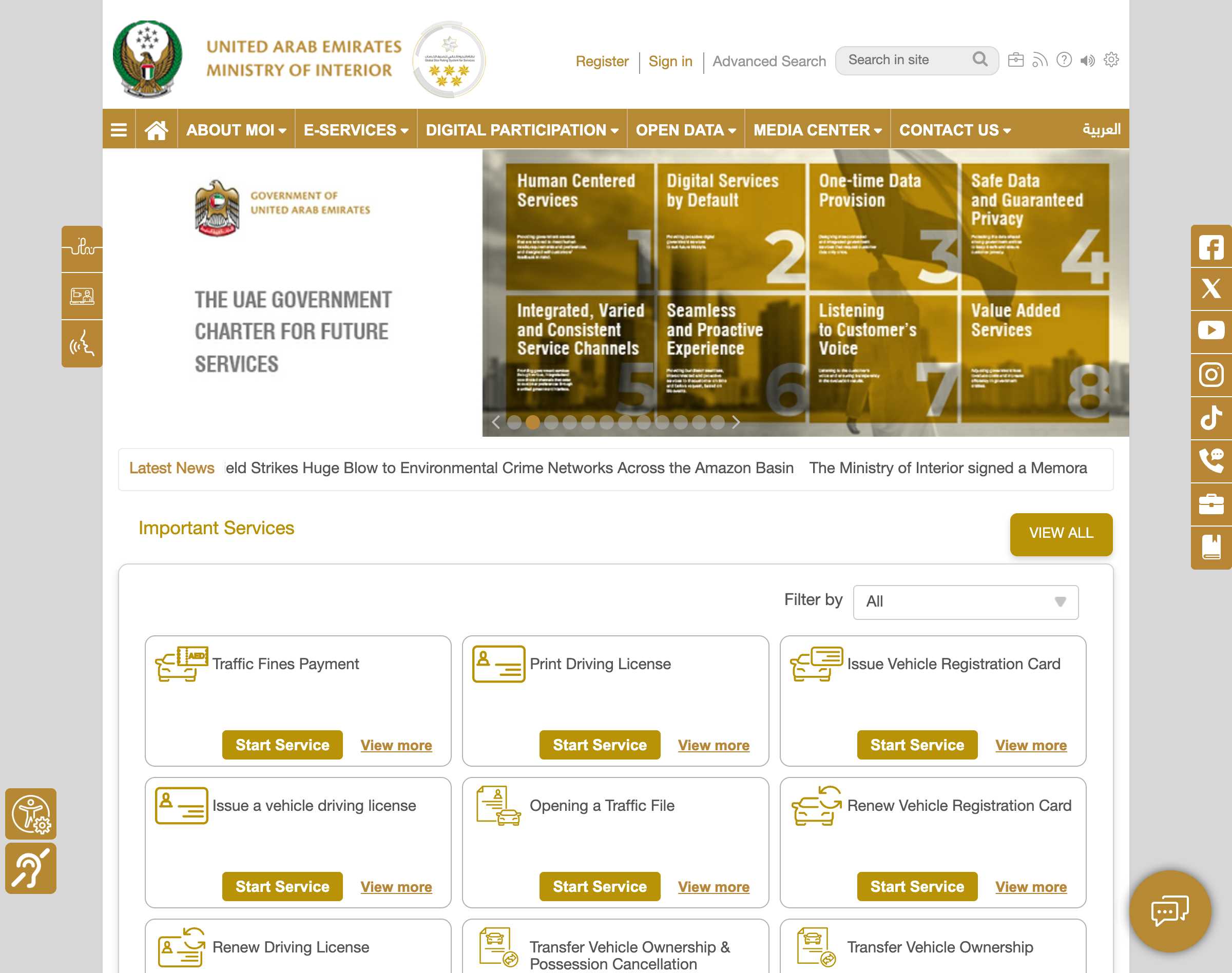
MOI's Limited AI Features
MOI's AI implementation is primarily focused on security features, missing opportunities in service automation
Predictive Analytics & Recommendations
Not ImplementedLeverage citizen data and behavior patterns to predict service needs and proactively offer relevant services before they're requested. While TAMM has implemented basic recommendation systems, their predictive capabilities remain limited compared to what's possible with modern machine learning. Even the best implementations still rely on rule-based systems rather than true AI-driven predictions.
| Feature | MOEI | TAMM | MOI | ICP |
|---|---|---|---|---|
| Personalized Recommendations | Login Required | Unknown | ||
| Predictive Service Needs | Unknown | |||
| Behavior Analytics | Unknown | Unknown | Unknown | |
| Life Event Predictions | Unknown | |||
| Deep Learning Models | ||||
| Real-time Personalization |
Next-Gen Implementation Strategy
Build an AI-powered prediction engine that goes far beyond what TAMM, MOI, or ICP currently offer. While they use basic analytics, MOEI can implement true machine learning models that anticipate citizen needs based on:
- Life events (marriage, birth, retirement)
- Seasonal patterns (housing applications, permit renewals)
- Geographic trends (infrastructure needs by region)
- Cross-department service correlations
- Economic indicators and job market data
Computer Vision & Document Processing
Partial ImplementationAutomated document processing and verification using advanced computer vision to eliminate manual data entry and reduce processing times. Current implementations by competitors use basic OCR technology from years ago. None have deployed state-of-the-art computer vision models that can understand document context, detect forgeries, or process complex multi-page documents with near-perfect accuracy.
| Feature | MOEI | TAMM | MOI | ICP |
|---|---|---|---|---|
| OCR Document Scanning | Unknown | Unknown | Unknown | Unknown |
| Auto-fill from Documents | Unknown | Unknown | Unknown | |
| Face Recognition | Unknown | Unknown | ||
| Document Authenticity Verification | Unknown | Unknown | Unknown | |
| Advanced AI Vision Models | ||||
| Multi-Document Understanding |
Enhanced Implementation Plan
Deploy state-of-the-art computer vision for seamless document processing:
- Implement AI-powered document classification (50+ document types)
- Deploy real-time data extraction with 99.9% accuracy
- Build fraud detection using document forensics
- Create mobile document capture with quality validation
- Implement biometric verification for high-security services
Intelligent Process Automation
Not ImplementedEnd-to-end automation of government processes using RPA and intelligent workflow orchestration to reduce processing times from days to minutes. While TAMM and MOI have implemented RPA for some processes, their systems still require significant human intervention. They lack the intelligent exception handling and self-learning capabilities that modern AI can provide.
| Feature | MOEI | TAMM | MOI | ICP |
|---|---|---|---|---|
| Robotic Process Automation | Unknown | Unknown | ||
| Smart Workflow Routing | Unknown | Unknown | Unknown | |
| Auto-approval Systems | Unknown | Unknown | Unknown | |
| Exception Handling AI | Unknown | |||
| Self-Learning Workflows | ||||
| Cognitive Process Mining |
Breakthrough Automation Strategy
Implement zero-touch processing for 80% of government services - a goal that even TAMM hasn't achieved. While competitors automate simple tasks, MOEI can deploy AI that handles complex cases:
- AI-driven eligibility checking and auto-approval
- Intelligent document verification and validation
- Predictive case routing and prioritization
- Automated compliance checking and reporting
- Self-healing workflows with ML optimization
AI-Powered Security & Fraud Detection
Not ImplementedAdvanced AI systems for real-time threat detection, fraud prevention, and ensuring the highest levels of security for citizen data. Current implementations across all competitors rely on traditional security measures with limited AI integration. None have deployed the latest AI-powered security systems that can predict and prevent threats before they occur.
| Feature | MOEI | TAMM | MOI | ICP |
|---|---|---|---|---|
| Anomaly Detection | Unknown | Unknown | Unknown | |
| Behavioral Biometrics | Unknown | Unknown | ||
| Real-time Fraud Detection | Unknown | Unknown | Unknown | |
| AI Threat Intelligence | Unknown | |||
| Predictive Security Analytics | ||||
| AI-Driven Zero Trust |
Advanced Security Implementation
Build a comprehensive AI security layer:
- Deploy ML-based anomaly detection across all services
- Implement continuous authentication using behavioral patterns
- Create predictive threat models using global intelligence
- Build automated incident response systems
- Implement zero-trust architecture with AI verification
Strategic Recommendation: AI Center of Excellence
Establish a dedicated AI Center of Excellence within MOEI to drive innovation and ensure successful implementation of AI initiatives across all departments. This positions MOEI to surpass current market leaders who, despite their progress, have not yet established comprehensive AI governance or centers of excellence. Even TAMM and ICP lack dedicated AI teams focused on continuous innovation.
Key Responsibilities
- ✓ AI strategy development
- ✓ Technology evaluation
- ✓ Pilot project management
- ✓ Skills development
- ✓ Ethics & governance
Expected Outcomes
- ✓ 70% service automation
- ✓ 90% faster processing
- ✓ 95% citizen satisfaction
- ✓ 60% cost reduction
- ✓ 24/7 service availability
Investment Required
- ✓ AED 50M initial setup
- ✓ 30 AI specialists
- ✓ Cloud infrastructure
- ✓ Training programs
- ✓ Partnership ecosystem
MOEI's Competitive Advantage
Our evidence-based analysis reveals a significant opportunity for MOEI to become the regional leader in AI-powered government services. While competitors have made some progress with basic features, comprehensive AI implementation remains limited across all platforms.
Current Market Reality
- TAMM: Basic AI search, assistant requires login
- ICP: No AI features found on public site
- All: Very limited AI implementation
MOEI's Opportunity
- First to implement advanced AI models
- Deploy cutting-edge computer vision
- Build true predictive AI systems
- Create AI-first architecture from scratch
The Bottom Line
Based on our evidence-based audit, current AI implementations across all government platforms remain basic. TAMM shows the most progress with integrated search and an assistant feature (though it requires login), while ICP shows no visible AI features. This presents MOEI with a realistic opportunity to establish itself as the leader in AI-powered government services by implementing comprehensive AI solutions that no competitor has yet deployed.
Important Note on Ratings
This analysis is based on evidence-based auditing conducted on July 28, 2025. Features marked as "Unknown" or "Login Required" could not be verified through public website access. Many AI and backend features require authenticated access or are not visible to public users.
Verification approach: Only features that could be directly observed, tested, or interacted with on the public websites were marked as confirmed. Claims about backend systems, APIs, security measures, and features behind login walls could not be independently verified.